
Does At-Home Microneedling Work? Benefits, Risks & Real Results
At-home microneedling has exploded in popularity in recent years as an affordable, convenient alternative to in-clinic professional microneedling treatments. Many skincare enthusiasts turn to DIY microneedle rollers and handheld pen devices to tackle dull skin, enlarged pores, fine lines, and mild acne scars at home. However, widespread debates remain among dermatologists and users: Does at-home microneedling actually work? Are the results comparable to professional salon treatments? Is it safe for daily home use? This Google-optimized article deeply analyzes the real effects, working principles, noticeable benefits, potential risks, and professional usage tips of at-home microneedling, helping you make a scientific skincare decision.
What Is At-Home Microneedling?
At-home microneedling is a non-professional skincare procedure designed for daily home use, utilizing manual microneedle rollers, derma stamps, or low-frequency electric microneedle pens. Unlike medical-grade microneedling devices used in dermatology clinics, home microneedling tools feature ultra-short needle lengths, generally ranging from 0.1mm to 0.3mm. These shallow micro-needles only act on the skin’s outermost epidermal layer, creating tiny, superficial micro-channels without penetrating the deep dermis. It is a mild physical skincare method focused on superficial skin improvement and enhanced product absorption, rather than deep dermal remodeling.
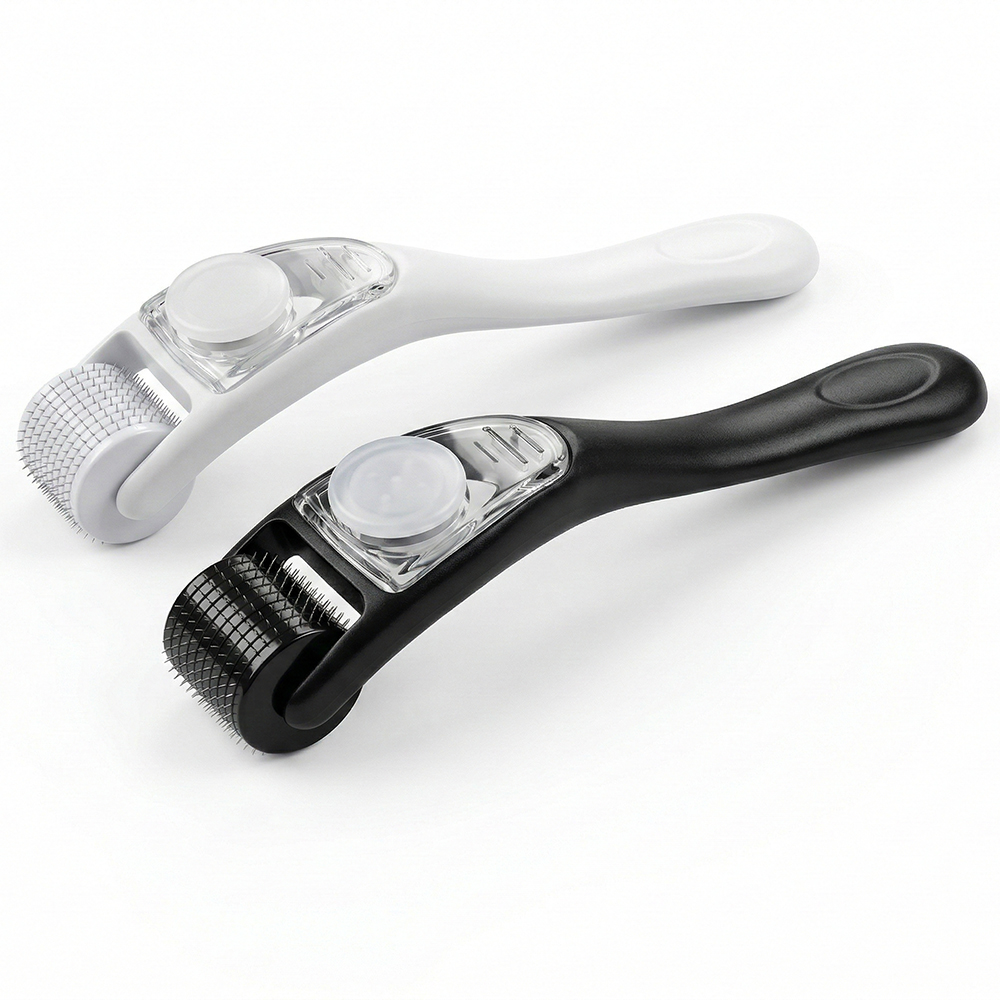
Does At-Home Microneedling Actually Work?
The short answer is: Yes, at-home microneedling works for mild superficial skin problems, but it cannot replace professional in-clinic microneedling.
Due to the limited needle depth, home microneedling cannot trigger large-scale deep collagen regeneration like professional treatments. However, it still delivers visible auxiliary skincare effects through two core mechanisms. First, the tiny superficial micro-channels effectively break the stratum corneum barrier, greatly improving the absorption rate of daily serums, moisturizers, and essence products, solving the problem of low skincare absorption efficiency. Second, mild and superficial micro-stimulation can activate slight skin cell metabolism, promote gentle epidermal renewal, and improve dull and rough skin texture. For daily skin maintenance and mild superficial skin issues, at-home microneedling shows obvious practical effects.
Real Benefits of At-Home Microneedling
1. Boosts Skincare Product Absorption
This is the most obvious and verified effect of at-home microneedling. The temporary micro-openings on the skin’s surface allow skincare active ingredients such as hyaluronic acid, niacinamide, vitamin C, and peptides to bypass the stratum corneum and penetrate deeper into the skin. It effectively avoids product wastage caused by surface evaporation and skin barrier blockage, increasing skincare absorption and utilization rate by 2-3 times, making daily skincare more effective.
2. Improves Dullness and Rough Skin Texture
Regular mild microneedle stimulation accelerates the natural shedding of aging keratin cells, promotes epidermal cell renewal, and smoothens uneven and rough skin surfaces. Long-term persistent use can significantly improve skin sallowness and dullness caused by slow metabolism, restore skin translucency, and create a smoother and brighter complexion.
3. Softens Superficial Dry Lines
Although home microneedling cannot eliminate deep static wrinkles, continuous mild stimulation can boost superficial micro-collagen activity and lock in more skin moisture. It effectively improves fine dry lines caused by skin dehydration and dryness, keeping the skin plump and tender for long-term anti-aging maintenance.
4. Refines Pores and Improves Mild Oily Skin
Proper at-home microneedling can mildly regulate local skin oil secretion, improve clogged pores caused by excessive sebum accumulation, and refine rough enlarged pores on the skin surface. It helps maintain long-term oil-water balance and keeps the skin fresh and delicate.
What At-Home Microneedling Cannot Do (Key Limitations)
Many users overestimate the effect of DIY microneedling, leading to unrealistic expectations and disappointment. It is crucial to clarify its functional limitations to avoid blind use:
– Cannot repair deep acne pits and scars: Only professional deep dermis microneedling can reorganize dermal fibers and fill atrophic scars; home shallow needles have no effect on stubborn acne indentations and stretch marks.
– Cannot eliminate deep wrinkles and skin sagging: It fails to stimulate massive deep collagen regeneration, so it cannot improve facial sagging, nasolabial folds, and mature static wrinkles.
– Cannot cure inflammatory acne and severe skin problems: Improper operation will aggravate skin inflammation and lead to acne breakouts and redness.
Potential Risks of Improper At-Home Microneedling
While home microneedling is mild, unstandardized operation and improper tool use will cause skin damage, which is why many users report no effect or worse skin condition after use.
1. Skin Irritation and Redness
Excessive rolling, repeated stimulation, or over-long operation time will cause excessive superficial skin damage, leading to persistent redness, tightness, and peeling, damaging the fragile skin barrier.
2. Bacterial Infection and Acne Breakouts
Unsterilized microneedle tools, unclean hands, or unclean facial skin will introduce bacteria into micro-wounds, causing folliculitis, inflammatory acne, and even skin infection.
3. Hyperpigmentation
Using microneedles with excessive length, frequent over-use, or exposure to strong ultraviolet rays after operation will trigger melanin precipitation, resulting in dark spots and uneven skin tone.
4. Damaged Skin Barrier
Frequent and excessive DIY microneedling will cause cumulative micro-damage to the stratum corneum, leading to sensitive skin, dryness, redness, and poor skin tolerance.
At-Home vs Professional Microneedling: Core Differences
|
Item
|
At-Home Microneedling
|
Professional In-Clinic Microneedling
|
|---|---|---|
|
Needle Depth
|
0.1mm – 0.3mm (only epidermis)
|
0.25mm – 1.0mm (reach deep dermis)
|
|
Core Effect
|
Boost absorption, brighten skin, daily maintenance
|
Collagen regeneration, scar repair, anti-aging
|
|
Risk Level
|
Low (safe with standard operation)
|
Medium (requires professional operation)
|
|
Suitable Scene
|
Daily skincare maintenance, mild skin problems
|
Aging skin, scars, pores, structural skin problems
|
|
Cost
|
Low one-time purchase cost
|
High per-session treatment cost
|
How to Use At-Home Microneedling Safely & Effectively
To maximize effects and avoid skin damage, follow these professional dermatologist-approved rules for DIY microneedling:
Choose the right needle size: Stick to 0.1mm-0.2mm needles for daily home use; avoid needles longer than 0.3mm to prevent excessive skin damage.
Strict sterilization: Disinfect the microneedle device with medical alcohol before and after each use; wash hands and thoroughly clean facial skin to eliminate bacteria.
Control frequency: Use only once every 7-10 days; avoid frequent use to prevent cumulative barrier damage.
Match mild skincare: Use soothing, moisturizing, and repairing essences after treatment; avoid acidic products, retinol, and irritating ingredients.
Strengthen sun protection: Avoid direct sunlight within 3 days after use to prevent melanin deposition and pigmentation.
Who Should Avoid At-Home Microneedling?
At-home microneedling is not suitable for everyone. People with sensitive skin, fragile skin barriers, and frequent redness; those with active inflammatory acne, facial wounds, and skin infections; pregnant and breastfeeding women; and people with scar-prone constitution should completely avoid DIY microneedling to prevent adverse skin reactions.
Final Verdict: Is At-Home Microneedling Worth It?
At-home microneedling isworth it for daily skin maintenance. It is a cost-effective auxiliary skincare method that significantly improves product absorption, brightens dull skin, refines superficial texture, and maintains long-term skin health. However, it is not a replacement for professional medical aesthetic treatments. If you have severe skin problems such as obvious acne pits, deep wrinkles, sagging skin, and large enlarged pores, professional in-clinic microneedling is still the only effective solution.
In short, at-home microneedling is excellent for daily prevention and maintenance, while professional microneedling is for targeted repair and anti-aging treatment. Distinguishing their functions is the key to safe and effective skincare.